Column · @johnnywuqr888
Why Roof Cleaning Extends Tile Life in Bayside Melbourne
Residential architecture across Melbourne Bayside is renowned for its distinctive coastal character, blending classic mid-century homes with contemporary luxury estates. From Brighton and Hampton down through Sandringham, Black Rock, Beaumaris, and Mentone, tiled roofs—primarily concrete and terracotta—dominate the suburban skyline. While these materials are selected for their durability and classic aesthetic, the coastal environment of Port Phillip Bay exposes them to unique environmental stressors. Regular professional roof cleaning is not merely a cosmetic improvement; it is an essential maintenance practice that directly extends the functional lifespan of roofing tiles in Melbourne Bayside.

The Bayside Climate and Its Impact on Roof Tiles
Living along the Port Phillip Bay coastline provides scenic beauty, but it also creates a harsh microclimate for residential structures. Bayside properties are perpetually exposed to airborne sea salts, persistent coastal winds, and high levels of atmospheric moisture. When maritime winds blow onshore, microscopic salt particles settle onto building envelopes. Concrete and terracotta tiles, while robust, are inherently porous materials containing thousands of microscopic cavities.
When airborne salt crystals penetrate these porous surfaces, they initiate a process known as subflorescence. As moisture evaporates during warm afternoons, the trapped salt re-crystallises within the tile pores. The expanding crystals exert internal hydraulic pressure against the walls of the pores, leading to micro-fissuring, surface spalling, and surface erosion. Left unaddressed over several seasons, this cycle weakens the physical composition of the tile, leaving it vulnerable to cracking, water ingress, and premature structural failure.
Biological Colonisation: Moss, Lichen, and Algae
Moisture from coastal fog and regular Melbourne rainfall creates an ideal incubator for biological infestations. Moss, lichen, and gloeocapsa magma (a common airborne cyanobacteria that causes black streaks) rapidly colonise untended roof surfaces across Bayside. Concrete roof tiles are particularly vulnerable because their alkaline composition provides nourishing minerals for these organisms.
Lichen is arguably the most destructive organism found on coastal Melbourne roofs. It consists of a symbiotic relationship between a fungus and an alga. To anchor itself securely against forceful coastal gales, lichen produces branching root structures called hyphae. These microscopic roots bore directly into the protective glaze or slurry coating of the tile, penetrating the underlying concrete or clay substrate. As the lichen absorbs water and expands, its roots physically pry the tile material apart. Attempting to scrape mature lichen off dry tiles often shears off the top layer of the tile itself, permanently damaging its structural integrity.
Moss growth presents an equally dangerous threat through water retention. Thick cushions of moss act like sponges, absorbing rain and holding standing water directly against the tile surface for weeks at a time. This constant dampness leads to several structural complications:
- Capillary Action and Leaks: Damp moss dams the natural drainage channels between overlapping tiles, forcing rainwater sideways or upward through capillary draw, eventually rotting roof battens and sarking beneath.
- Bedding and Pointing Degradation: Moisture weakens the flexible pointing and cement mortar bedding along the hips and ridges of the roof, causing ridge caps to loosen during high wind events.
- Freeze-Thaw Weathering: During winter cold snaps, saturated tiles experience repeated minor thermal cycles where retained water expands upon chilling, accelerating surface crumbling.
- Excess Weight Load: Saturated moss layers add hundreds of kilograms of dead weight to the roof framing, placing unnecessary strain on structural trusses.
Cleaning Methodologies: Why Proper Technique Matters
Preserving tile integrity requires a clear understanding of the differences between heavy abrasive methods and modern surface restoration. Inexperienced operators frequently employ aggressive, unchecked pressure washing with excessive pressure, which can strip the protective factory coating off concrete tiles, etch deep grooves into clay, or blast water underneath tile overlaps into the ceiling cavity.
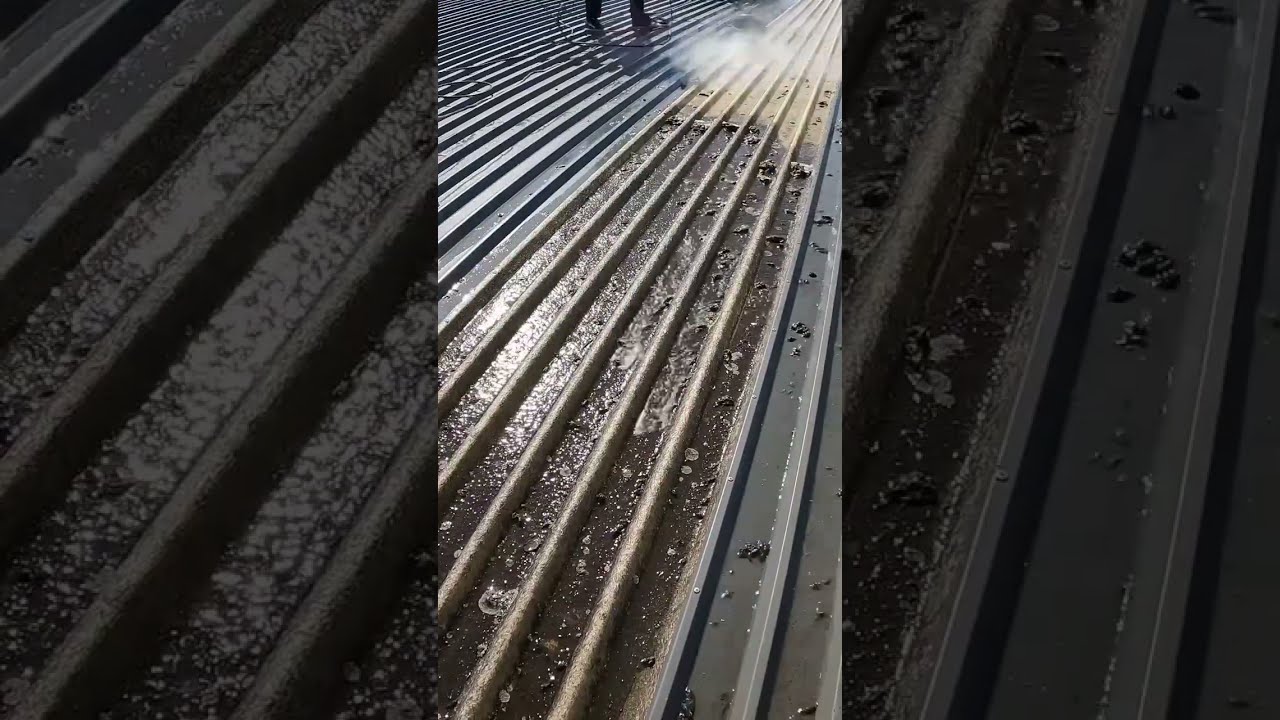
Modern professional practices rely primarily on soft washing protocols for delicate roofing materials, reserving calibrated pressure cleaning or variable power washing for specific heavy substrates. Soft washing combines biodegradable, salt-neutralising algaecides https://troymszs723.lumenforgex.com/posts/how-much-does-pressure-cleaning-cost-in-bayside-melbourne with high-volume, low-pressure rinsing. The specialised chemical solution breaks down the organic compounds at their root level, dislodging lichen hyphae and sanitising the tile surface to prevent rapid re-colonisation.
Where controlled pressure cleaning is warranted—such as on dense, heavily soiled unglazed terracotta or robust concrete tiles prior to resealing—specialised surface tools and rotary nozzles ensure consistent, uniform cleaning without point-impact damage. Professional equipment regulates pressure levels precisely, preventing water intrusion behind the watercourses and safeguarding pointing work.
Preserving Roof Coatings and Thermal Efficiency
Both concrete and glazed terracotta tiles rely on surface treatments to resist UV degradation and moisture absorption. Concrete tiles depend on an acrylic surface sealer or colour coat to repel moisture. When dirt, ocean salt, and fungal spores build up, they break down this coating through chemical degradation and mechanical abrasion. Routine professional roof cleaning removes this corrosive film, maintaining the protective barrier and extending the interval before expensive tile recoating or full roof replacement becomes necessary.
Beyond material preservation, a clean roof provides quantifiable thermal benefits. Dark microbial stains and thick patches of moss dramatically lower the solar reflectance (albedo) of the roof. In summer, heavily stained tiles absorb excessive solar radiation, conducting heat straight into the roof void and driving up domestic air conditioning costs. Removing biological growth restores the roof's natural reflective capacity, keeping the entire property cooler during the warmer months.

Signs Your Bayside Roof Requires Immediate Attention
Homeowners often overlook roof deterioration until an interior leak becomes obvious. Proactive visual inspections from ground level can identify issues early before structural degradation sets in.
- Black Streaking and Discolouration: Dark streaks running down the pitch indicate active bacterial colonies feeding on the surface minerals.
- Visible Lichen Patches: Circular, crusty growths of yellow, green, or white lichen indicate that fungal root systems have already penetrated the surface layer.
- Blocked Roof Valleys and Gutters: Accumulations of moss clods and loose tile sediment inside gutters signal surface erosion and compromised water runoff channels.
- Crumbled or Dislodged Pointing: Mortar breakdown around the ridge caps often occurs when prolonged moisture contact rots the bonding agent.
- Damp Musty Odours in the Ceiling Cavity: Minor moisture ingress caused by moss dams usually produces roof cavity dampness long before water stains appear on interior plasterboard.
Integrating Roof Maintenance with Complete Exterior Care
Roof maintenance should not occur in isolation. Because roofs sit at the apex of the building envelope, all biological debris, salt residue, and cleaning solutions washed from the roof naturally flow downward. For this reason, comprehensive property care often pairs roof treatments with professional house washing to protect external walls, cladding, and window seals from dirty runoff.
Similarly, downpipes discharge runoff into perimeter drainage networks, which frequently deposit organic slurry onto hardstands, paths, and carports. Completing scheduled driveway cleaning alongside roof and facade washing ensures that salt deposits and slippery moss residues are completely eradicated from the entire premises. Managing your exterior surfaces holistically preserves overall curb appeal, protects concrete and stone pavers from salt etching, and ensures water flows cleanly away from the foundation.
Looking Ahead: Standards and Care for 2026 and Beyond
Environmental standards and residential preservation strategies continue to evolve rapidly. In 2026, sustainable property maintenance focuses heavily on surface conservation over premature replacement. With material costs, supply chain shifts, and disposal fees making complete roof replacements an expensive and resource-heavy undertaking, preventive surface maintenance has become the standard approach for sensible property investors.
Environmental guidelines surrounding catchment runoff into Port Phillip Bay have become increasingly stringent. Modern cleaning services adhere to responsible water recovery methods and utilise non-toxic, eco-conscious treatment formulations that safely break down biological matter without harming local marine ecosystems or coastal gardens. Looking forward into 2027 and beyond, proactive exterior maintenance will remain the single most cost-effective method to protect structural building materials against the relentless wear of Melbourne's coastal elements. By investing in regular, professional surface care, Bayside homeowners can protect their structural investment and ensure their tiled roofs endure for decades to come.
Bayside Pressure Cleaning Pros
Unit 3/3-5 Arnold St, Cheltenham VIC 3192
ph. (03) 4517 6380