Column · @johnnywuqr888
Power Washing Service Plans for Bayside Business Owners
A clean business exterior does more than improve presentation. It helps keep entrances usable, makes grime easier to manage and gives customers confidence that your premises receive regular care. For Melbourne Bayside businesses, coastal exposure adds another consideration: salt residue, windblown sand and moisture can affect outdoor surfaces between cleans.
A planned power washing service gives you a practical alternative to booking a major clean only when surfaces look neglected. The right arrangement matches cleaning methods and frequency to your property, trading hours and environmental responsibilities. This guide explains what to include, how to compare providers and where regular pressure cleaning offers the most value.
Why Bayside Businesses Benefit from a Cleaning Plan
Businesses in Brighton, Hampton, Sandringham, Black Rock, Beaumaris and surrounding Bayside areas face different cleaning demands. A beachfront hospitality venue may deal with sand and salt deposits, while a sheltered office entrance may mainly collect dust, leaf litter and foot traffic marks.
Food service premises also need to manage grease around outdoor dining areas, waste storage zones and delivery access points. Retailers may prioritise clear windows, clean entry paving and tidy shopfront surrounds. Medical and professional premises often need quieter work arrangements and uninterrupted pedestrian access.
A service plan should reflect these actual conditions rather than apply the same cleaning schedule to every address. Regular inspections and targeted cleaning can prevent unnecessary treatments while identifying stains, drainage problems or surface deterioration that need separate attention.
Power Washing, Pressure Washing and Soft Washing: What Is the Difference?
Contractors sometimes use “power washing” and “pressure washing” interchangeably. Technically, power washing commonly refers to cleaning with heated, pressurised water, while pressure washing may use unheated water. Because terminology varies, ask the provider what equipment and method their proposal includes.
Pressure Cleaning for Durable Surfaces
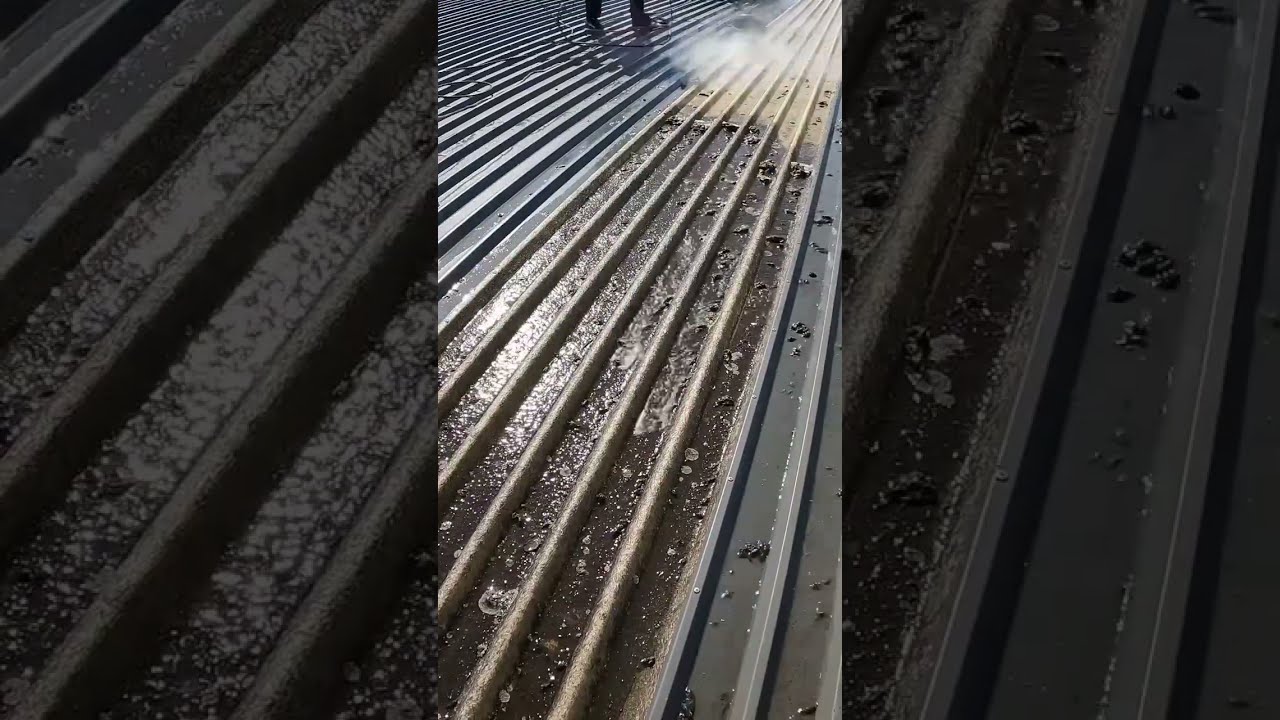
Pressure cleaning can suit sound concrete, selected pavers and other durable hard surfaces. Results depend on water pressure, flow rate, nozzle selection, working distance and the condition of the material. A high pressure rating alone does not indicate a better service.
For larger paved areas, a surface-cleaning attachment can help deliver a more consistent finish than a handheld lance. Edges, joints, drains and corners still require attention. Damaged concrete, loose grout and unstable paving need assessment before cleaning begins.
Heated Water for Grease and Oily Residue
Heated water can help remove grease and some oily deposits from suitable surfaces, particularly near hospitality service areas and loading zones. It does not eliminate the need for appropriate cleaning products or wastewater collection. Deep oil stains may remain even after treatment, especially where contamination has penetrated porous concrete.
Soft Washing for Delicate Materials
Painted facades, render and some cladding systems often require low-pressure washing with a compatible cleaning solution. Similar methods used in house washing may suit converted residential premises operating as consulting rooms, offices or studios.
Roof cleaning requires its own assessment. Roof material, access, pitch, coatings, drainage and nearby equipment all influence the method. High-pressure cleaning must not be used on asbestos-containing materials. If an older roof or wall may contain asbestos, arrange appropriate identification and specialist advice before any cleaning work proceeds.

What a Commercial Service Plan Should Include
A useful proposal identifies exactly which surfaces receive treatment and what happens before, during and after each visit. Avoid broad descriptions such as “clean exterior” without a site map, photographs or a clear written scope.
- Defined work areas: Entrances, access paths, outdoor dining spaces, private forecourts, loading zones, waste areas and any agreed facade sections.
- Surface-specific methods: The proposed pressure, use of heated water, cleaning products and any test patches needed.
- Cleaning frequency: A base schedule with a process for adjusting visits according to actual conditions.
- Site protection: Measures for signs, electrical fittings, doors, landscaping, furniture and neighbouring premises.
- Runoff management: How wash water is contained, collected and lawfully disposed of.
- Access and safety controls: Barriers, pedestrian routes, working hours and any required permissions.
- Completion checks: Inspection, photographs where useful, and confirmation that access areas are ready to reopen.
- Commercial terms: Pricing, exclusions, cancellation conditions, variation approval and responsibility for arranging access.
Ask whether the first visit includes a deeper restoration clean. A heavily soiled site may require more time initially than it does during later maintenance visits, and that difference should be clear in the quote.
How Often Should Your Premises Be Cleaned?
There is no universal schedule for Melbourne Bayside businesses. Start with a condition assessment and review the results after the first few visits. Cleaning frequency should respond to contamination, use and surface condition—not just a calendar reminder.
Monthly or More Frequent Targeted Cleaning
Busy hospitality entrances, outdoor eating areas and some waste storage zones may benefit from monthly attention or more frequent targeted work. These visits should complement routine sweeping, spot cleaning and spill response rather than replace them.
Grease spills, slippery growth and other immediate hazards need prompt attention. They should not remain untreated until the next scheduled pressure washing visit.
Quarterly Maintenance
Quarterly cleaning can be a reasonable starting point for moderately used shopfront paving, office entrances and private pedestrian paths. Check whether shaded areas develop algae sooner than exposed areas and whether seasonal leaf fall changes the workload.
Six-Monthly or Annual Cleaning
Lower-use external areas may need cleaning only every six or twelve months. Facades and selected roof surfaces should be assessed separately rather than automatically included in every ground-level clean.
For commercial properties with vehicle access, driveway cleaning may suit a six-monthly schedule, with separate treatment for fresh spills. Traffic volume, surface finish and nearby trees can justify a different interval.
Managing Wastewater and Protecting Bayside Waterways
Runoff management deserves particular attention near Port Phillip Bay. Wash water can contain detergent, sediment, oil, food residue and other pollutants. A drain beside your premises should not be treated as a convenient disposal point.
In Victoria, the general environmental duty requires businesses to minimise risks of harm from pollution and waste so far as reasonably practicable. For exterior cleaning, that means considering what the wash water contains, where it could travel and how the work can prevent pollution.
Practical controls may include collecting loose debris before washing, protecting stormwater inlets, containing runoff and recovering wastewater with suitable equipment. Drain protection needs to be planned carefully so it does not simply divert contaminated water elsewhere or create flooding.
Disposal to sewer may require the relevant water corporation’s approval or a trade waste arrangement. It should never be assumed to be acceptable. Ask the contractor to explain the proposed disposal pathway before work starts.
A product labelled “biodegradable” is not permission to discharge it into stormwater. Product claims do not remove the need to manage contamination or follow applicable requirements.
Water Use and Current Requirements in 2026
Before work begins, confirm the water-use rules applying to the property and task. Melbourne’s permanent water-saving rules and any additional restrictions can affect how water is used. Requirements may differ according to the purpose of cleaning and the equipment involved.
Check current guidance from the relevant water retailer rather than relying on an old quote or a contractor’s general assurance. The service agreement should identify who supplies water, whether the connection is suitable and whether any approval is needed.
Efficient cleaning involves more than reducing the time a trigger is held. Dry sweeping first, targeting stained sections, using suitable attachments and selecting the correct treatment can reduce unnecessary water use and repeated passes.
Scheduling Work Around Customers and Staff
Early-morning or after-hours appointments can reduce disruption, but they still require planning. Check noise requirements, neighbouring residential uses, building access arrangements and any council conditions that apply to the site.
Where cleaning equipment, hoses or barriers occupy a public footpath, confirm whether permission is required from Bayside City Council or the relevant road authority. A private cleaning booking does not automatically authorise obstruction of public space.
The contractor should maintain safe pedestrian access or establish an appropriate alternative route. Wet surfaces, hoses and moving equipment need controls even during a short appointment. Entrances should reopen only after a suitable inspection, not simply when the equipment is packed away.
Preventing Damage to Your Building
Pressure washing can damage surfaces when the method is unsuitable. Potential problems include etched concrete, stripped coatings, disturbed jointing sand, water intrusion and damaged timber fibres. Pre-existing defects can also become more apparent once dirt is removed.
Before approving work, request a test patch on an inconspicuous section where the finish or material is uncertain. Ask the provider to photograph existing cracks, loose render, failed sealants and damaged grout. Cleaning does not repair these defects.
Nearby electrical equipment, vents, cameras and signage need protection appropriate to their design and condition. Outdoor-rated equipment is not necessarily suitable for direct high-pressure spray.
Roof cleaning needs additional access and fall-risk planning. Victorian occupational health and safety requirements apply, and some work may require specific documentation, including a safe work method statement where it constitutes high-risk construction work. Ask how the contractor assesses these obligations for your https://ericktrab274.halcyonledger.com/posts/soft-washing-vs-pressure-washing-for-rendered-homes site.
How to Compare Quotes and Control Costs
Compare quotes against the same scope. A lower price may exclude wastewater recovery, difficult edges, stain treatment or after-hours access. Conversely, a higher price is not automatically better if it includes services your property does not need.
Common cost drivers include the area and condition of surfaces, access limitations, water availability, contamination type, treatment method and disposal requirements. Roof access, elevated work and specialist stain removal should be clearly separated where they change the price.
Ask whether the maintenance fee includes every scheduled visit, what triggers an additional charge and whether unused visits can be rescheduled. Confirm GST treatment, contract duration, price-review terms and the process for approving extra work.
Check that the provider holds suitable insurance for the proposed activities, including roof work if relevant. Request current evidence rather than relying on a logo or a general claim on a website.
Set Realistic Expectations and Review the Plan
A good clean removes contamination; it does not necessarily restore every surface to a new appearance. Rust, tannins, old oil stains, efflorescence and coating damage may require separate treatment or may not be fully removable. Ask the provider to explain likely outcomes before work starts.

After each visit, review presentation, access, drainage and any areas needing follow-up. Keep brief records of recurring stains or slippery patches so the schedule can be adjusted using evidence.
The best power washing service plan for a Bayside business is specific, flexible and easy to monitor. Start with a site assessment, agree on safe cleaning methods and runoff controls, then choose a frequency that matches your premises. That approach keeps pressure cleaning practical while protecting your property, customers and the local environment.
Bayside Pressure Cleaning Pros
Unit 3/3-5 Arnold St, Cheltenham VIC 3192
ph. (03) 4517 6380